

Introduction
Medieval swords are among the most iconic weapons in history. From the battlefields of Europe to royal ceremonies, swords symbolized power, honor, and skill. Knights and warriors relied heavily on these blades not only for combat but also as a mark of status and bravery. Even today, medieval swords continue to fascinate collectors, historians, and enthusiasts who admire their craftsmanship and legendary stories.
The History of Medieval Swords
During the Middle Ages, swords were considered one of the most important weapons a warrior could possess. Unlike other weapons such as spears or axes, swords required advanced craftsmanship and high-quality steel. Because of this, owning a sword was often a sign of prestige and nobility.
Knights carried swords as their primary weapon in battle. These blades were designed to deliver powerful cutting and thrusting attacks while maintaining balance and control. Over time, sword designs evolved to adapt to new armor styles and combat techniques.
Design and Craftsmanship
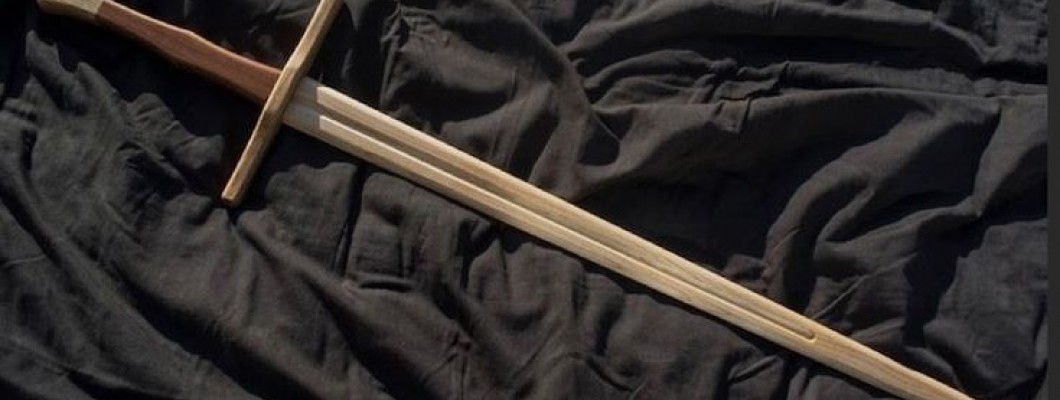
Medieval swords were carefully crafted to provide both strength and flexibility. A typical sword consisted of several important parts:
- Blade: The long metal portion used for cutting or thrusting.
- Hilt: The handle that allowed the warrior to grip the sword firmly.
- Crossguard: A protective bar between the blade and the handle that protected the hand.
- Pommel: The metal piece at the end of the handle that balanced the weapon.
Blacksmiths used traditional forging techniques to shape and strengthen the steel. This process required great skill, making each sword a unique piece of craftsmanship.
Popular Types of Medieval Daggers
Longsword
The longsword was one of the most popular weapons used by knights. It featured a long blade and could be used with one or two hands, making it versatile in combat.
Arming Sword
This was a shorter sword commonly carried by knights. It was often used alongside a shield and was ideal for fast attacks.
Greatsword
The greatsword was a massive two-handed weapon designed for powerful strikes on the battlefield. It required great strength and skill to wield effectively.
The Symbolism of Swords
Beyond combat, swords held deep symbolic meaning during the Middle Ages. They were often used in ceremonies such as knighthood, where a sword represented loyalty, honor, and duty. Many legendary swords were also featured in myths and stories, becoming symbols of heroism and courage.
Medieval Swords Today
Today, medieval swords are admired by collectors, reenactors, and history enthusiasts. Many modern reproductions are created using traditional forging methods to preserve the authentic feel of historical weapons.
These swords are often displayed as decorative pieces, used in historical reenactments, or collected as valuable artifacts that represent a fascinating period in human history.
Conclusion
The medieval dagger is more than just a weapon—it is a piece of history. From the battlefields of medieval Europe to modern collections, these blades tell stories of bravery, craftsmanship, and tradition. Exploring these weapons helps us better understand the culture and warfare of the Middle Ages.